Understanding Sports Broadcasting
What is Sports Broadcasting?
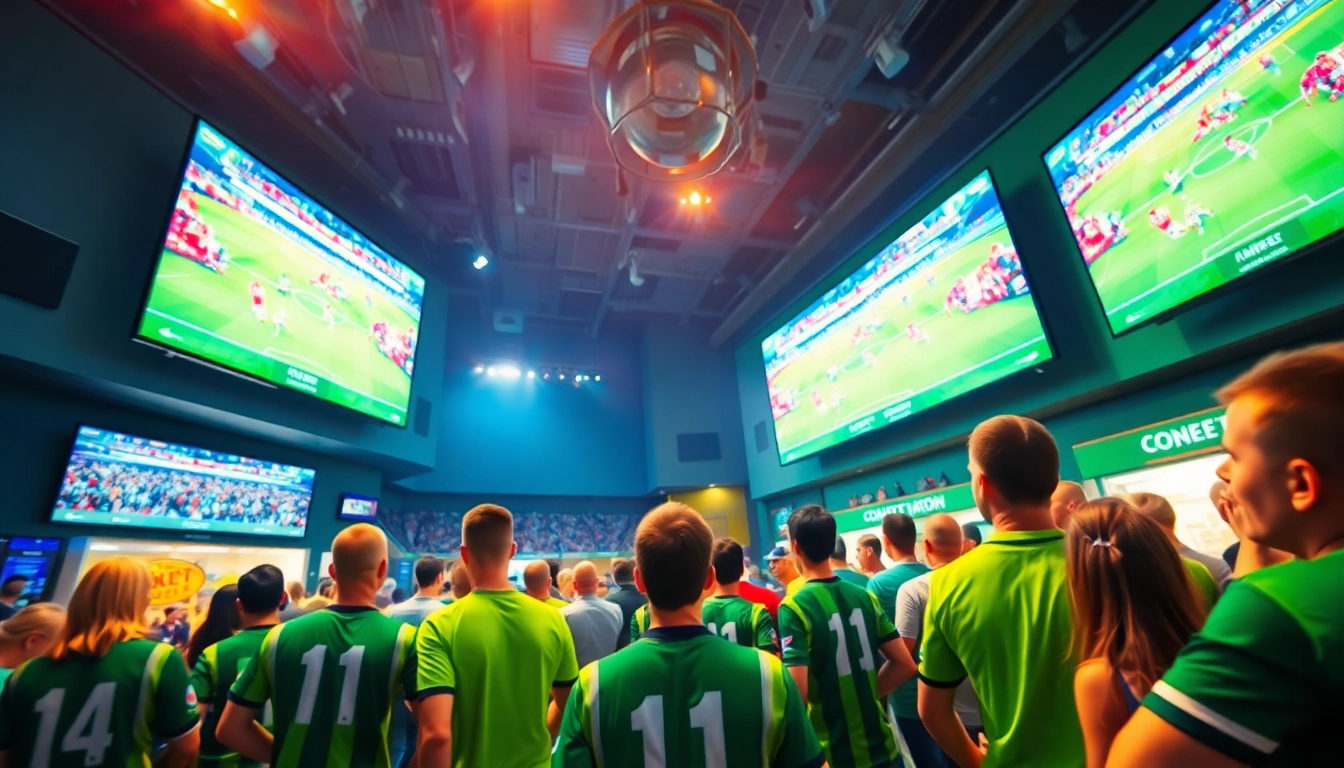
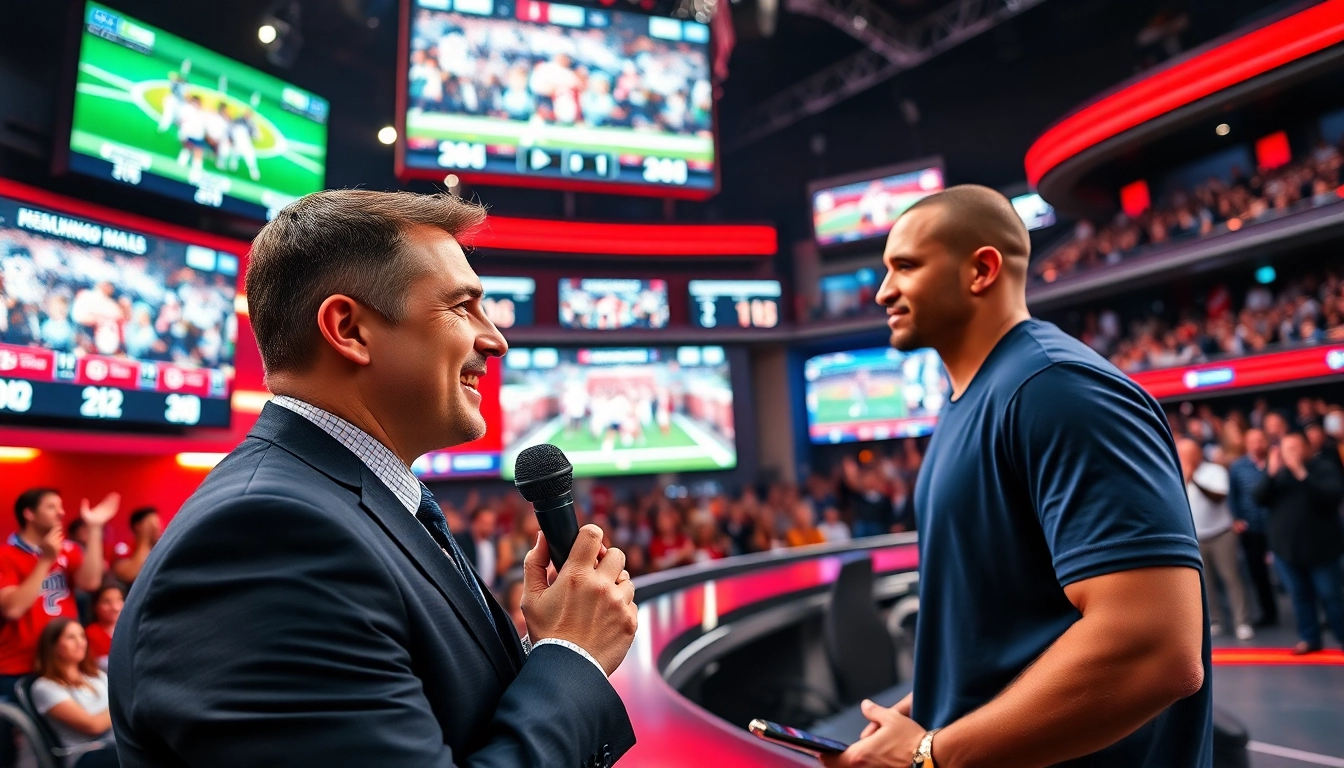
Sports Broadcasting refers to the dissemination of sports-related content through various media platforms. This includes live coverage of games, highlights, expert analysis, and commentary delivered to viewers via television, radio, online streaming, and mobile applications. The primary aim is to engage audiences with sports events, providing updates and narratives that enrich the viewing experience. The importance of professional delivery, quality content, and audience interaction has transformed Sports Broadcasting into a pivotal sector within the media industry.
The evolution of this medium has made it a cornerstone of sports culture, influencing how fans interact with their favorite teams and athletes globally. As spectators no longer rely solely on traditional scheduling and broadcast norms, the rise of digital platforms has altered the landscape, necessitating adaptation across all broadcasting entities. With the convergence of technology and sports, Sports Broadcasting is progressively becoming more accessible and immersive.
Key Elements of Sports Broadcasting
The essential components that define effective Sports Broadcasting include content creation, presentation, distribution, and viewer engagement. Each element contributes to a cohesive experience that keeps audiences coming back for more:
- Content Creation: This involves gathering and producing relevant information, highlights, and commentary that resonates with fans.
- Presentation: The manner in which content is presented can vary dramatically. Engaging hosts, commentary teams, and production quality significantly influence viewer retention.
- Distribution Channels: The platforms utilized for transmitting content—television networks, streaming services, and social media—are crucial, dictating how audiences receive their sports updates.
- Viewer Engagement: This highlights the opportunities for interaction, be it through social media participation, live polls, or comments sections, which foster a sense of community among fans.
Historical Development of Sports Broadcasting
The history of Sports Broadcasting can be traced back to the early 20th century when the first radio broadcasts featured sports commentary. Over the decades, technological advancements have dramatically changed this sector:
- Early Radio Broadcasts: As early as the 1920s, radio stations began covering sports events live, capturing the attention of audiences who craved updates and play-by-play commentary.
- Television Revolution: The 1950s saw the advent of televised sports. Major events like the World Series and the Super Bowl introduced millions to the visual excitement of sports broadcasting.
- Digital Transformation: The rise of the internet and mobile technology in the 21st century enabled streaming services to emerge, allowing fans to access content anytime, anywhere.
- Streaming Era: Platforms such as Netflix and others have challenged conventional broadcasting. Live sports events can now be streamed on various devices, often providing interactive and real-time engagement options.
The Role of Technology in Sports Broadcasting
Impact of Streaming Services on Sports Broadcasting
The introduction of streaming services has revolutionized the way sports content is consumed. Viewers now have the flexibility to watch live games on-demand, making traditional broadcasting schedules increasingly obsolete. Audiences can customize their viewing experiences by choosing specific angles, commentary options, and replays. Major sports leagues are capitalizing on these platforms, offering exclusive content while increasing their global reach. The competitive environment is fierce, compelling traditional broadcasters to innovate continuously and enhance user experiences.
Innovations in Broadcast Technology
Technological innovations are making sports broadcasts more captivating and accessible. Some key advancements include:
- High-Definition Broadcasting: Enhancements in camera quality and graphics have made viewing experiences remarkable, with stunning visuals that draw audiences into the action.
- 360-Degree Video: This immersive technology allows viewers to explore games from different angles, making them feel part of the event.
- Augmented and Virtual Reality: Both technologies enhance viewer interaction, offering real-time statistics, virtual replays, and even the ability to watch from various player perspectives.
- Data Analytics: Real-time data utilization provides fans with insights into player performances and game strategies, enriching discussions and enhancing viewer understanding.
The Rise of Mobile Sports Broadcasting
Mobile devices are becoming increasingly significant in the realm of Sports Broadcasting. With millions of users consuming content on smartphones and tablets, broadcasters have prioritized mobile optimization:
- Accessibility: Fans can tune in to live events anywhere; this adaptability has transformed the sports experience by ensuring no one misses exciting moments.
- Social Media Integration: Mobile platforms facilitate instant sharing and interaction, letting fans express their opinions and engage with communities during live events.
- Personalized Content: Mobile apps enable fans to follow specific teams or players, receiving tailored notifications, highlights, and exclusive content, heightening engagement levels.
Audience Engagement Strategies in Sports Broadcasting
Interactive Content for Viewers
To keep audiences engaged, Sports Broadcasting has increasingly integrated interactive elements that empower viewers beyond passive consumption. Elements like real-time voting, live chats, and gamified experiences foster community participation and enhance viewer satisfaction:
- Polls and Quizzes: Empowering viewers to participate in content creation through live polls and predictive quizzes enhances their connection to the event.
- Virtual Fan Experiences: Platforms facilitating virtual meet-and-greets promote greater fan interaction, allowing them to engage directly, creating memorable experiences.
- Behind-the-Scenes Access: Fans crave insider perspectives. Offering exclusive clips and interviews improves loyalty as fans feel more connected to teams and athletes.
Social Media’s Influence on Sports Broadcasting
Social media drastically influences how sports content is broadcast. Platforms like Twitter, Facebook, and Instagram enable real-time engagement and discussion around live events, promoting unprecedented dialogue among fans. Additionally, broadcasters utilize these platforms to enhance viewership through:
- Real-Time Updates: Instant game highlights and updates keep fans informed and engaged, attracting them to tune into upcoming broadcasts.
- Fan-Created Content: Encouraging fans to share their thoughts elevates brand visibility and strengthens community connections, making broadcasting services more relatable.
- Influencer Partnerships: Collaborating with influential personalities or sports commentators can amplify reach, attracting younger demographics to traditional broadcasting.
Community Building Through Sports Broadcasting
Promoting a sense of community among fans is paramount for long-term engagement. Broadcasters can leverage several strategies to foster this environment:
- Fan Forums: Creating dedicated online spaces for discussions cultivates vibrant communities, allowing fans to exchange opinions, tips, and insights.
- Event Organizing: Host community events, such as watch parties or meet-ups, cultivating an offline connection that complements the online presence.
- Retention Programs: Exclusive membership benefits, including discounts, merchandise, and giveaways, help maintain loyalty and a sense of belonging among fans.
Challenges Facing Sports Broadcasting
Rights and Regulation Challenges
One of the primary challenges in Sports Broadcasting concerns rights management and regulatory hurdles. Contracts with leagues and teams dictate which content can be aired and how. This complexity can lead to content fragmentation, often leaving fans frustrated when they cannot access their desired broadcasts:
- Complex Licensing Agreements: Securing rights is often expensive and complicated. Failure to navigate this landscape can result in losing coverage for specific events.
- Geoblocking Issues: Many providers face restrictions based on geographic locations, limiting content access for fans traveling abroad.
- Compliance with Local Laws: Understanding and adhering to different regulatory frameworks across regions is crucial for broadcasters.
Competition from Other Media Forms
In an era dominated by streaming and on-demand content, traditional Sports Broadcasting faces fierce competition. Viewers now have access to a variety of platforms competing for their time:
- Content Saturation: As more platforms offer sports content, the challenge is to create a distinctive, high-quality viewing experience that stands out in a crowded market.
- Viewer Preferences: Younger audiences may lean toward short-form or interactive content over traditional broadcasts, demanding adaptability from broadcasters.
- Attracting New Audiences: Engaging new demographics requires innovative storytelling, unique broadcasting methods, and diverse content strategies.
Maintaining Viewer Attention in a Saturated Market
As many content options compete for viewer attention, retaining audience interest is paramount. Effective strategies include:
- Diverse Content Formats: Experimenting with various formats—such as documentaries, podcasts, and live-streams—can captivate diverse audiences.
- Innovative Storytelling: Developing compelling narratives around players, teams, and events promotes deeper connections with audiences.
- Fan-Centric Approaches: Soliciting feedback on content preferences can lead to tailored options that resonate well with audiences, increasing loyalty and time spent watching.
The Future of Sports Broadcasting
Trends Shaping the Future of Sports Broadcasting
The landscape of Sports Broadcasting is continuously evolving, influenced by changing technologies, viewer expectations, and emerging trends. Some notable trends include:
- Increased Personalization: Future broadcasts will likely leverage AI to offer highly customized viewing experiences based on viewer preferences and behavior.
- Emergence of Subscription Models: Premium subscription services may continue to rise, offering exclusive content while providing ad-free experiences.
- Enhanced Interactivity: Future broadcasts will provide even more interactive features, such as enhanced real-time interactions and decision-making scenarios for viewers.
Potential for Virtual and Augmented Reality Experiences
As technology develops, VR and AR are set to play an integral role in Sports Broadcasting. These technologies can enhance how fans experience sports events:
- Immersive Viewing: Imagine attending a virtual concert or experiencing explosive plays from your home’s comfort, reshaping the traditional viewing experience.
- Augmented Statistics: Overlays of player stats, game plays, and analysis allow for a deeper understanding of performances and game strategies during live broadcasts.
- Interactive Fan Environments: Fans can engage in virtual arenas, interacting with other viewers and absorbing sports experiences in a completely new way.
Evolving Viewer Preferences and Content Consumption
As younger generations lead the way in content consumption, broadcasters must adapt to evolving viewer preferences. Key transformations include:
- On-Demand Consumption: The expectation for on-demand options emphasizes that traditional scheduling must adjust to fit contemporary lifestyles.
- Simplifying Access: Easy access via online platforms and applications is vital, along with features like rewinding and clipping to enhance viewer convenience.
- Content Variety: Diverse content, including documentaries and podcasts, not only broadens the audience’s interests but also attracts varying demographics.